
Skin Concern:
Target Skin Pigmentation, with Concentrated Ingredients
From hyperpigmentation caused by acne, or too much sun exposure, many skin types commonly experience this. At Results Laser Clinic, we recognise that everyone has different skin goals to work towards. Which is why, we offer a comprehensive collection of products that have been specifically formulated for hyperpigmentation.
Our collection of products suits different skin types and tones.
See our range for an even skin tone:
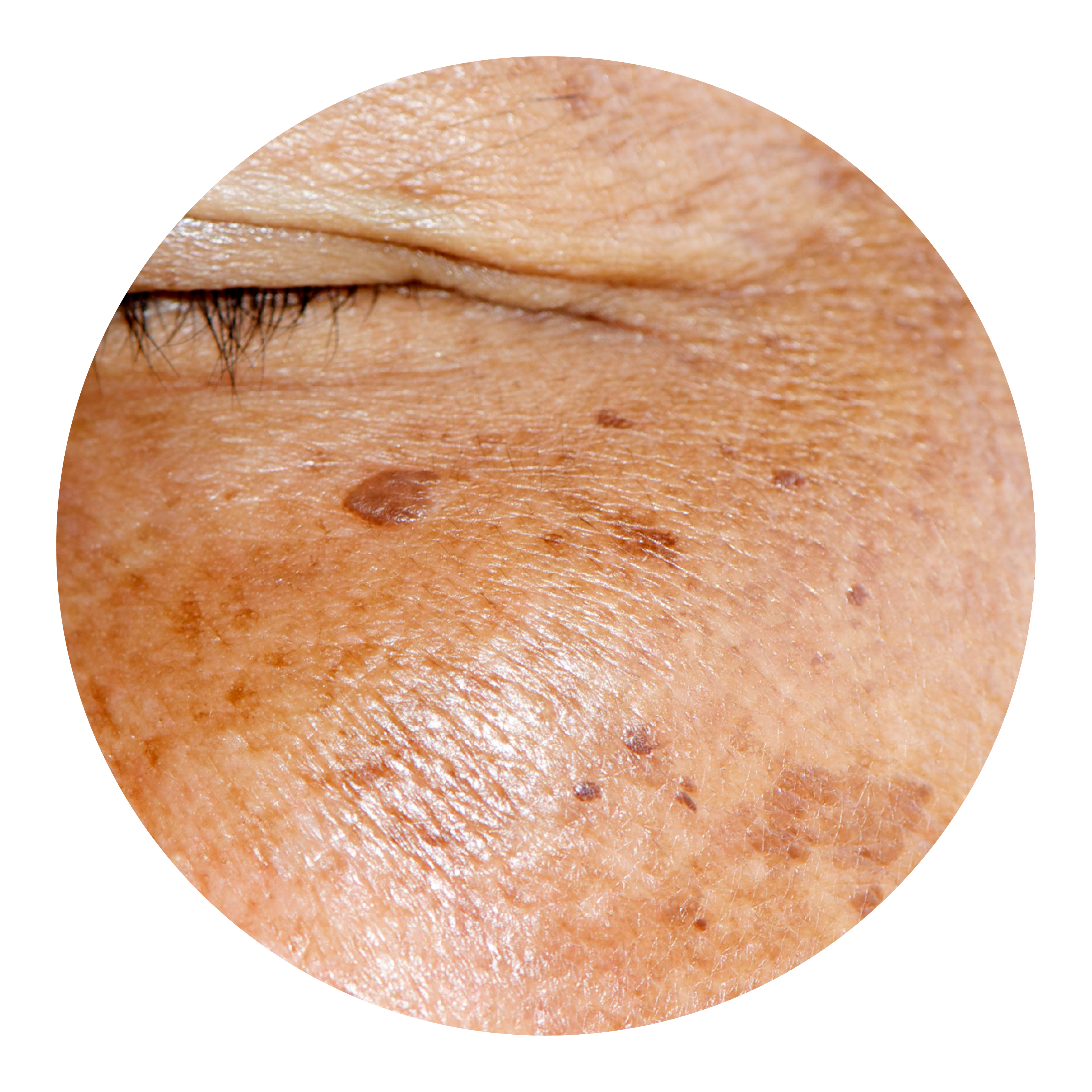
What is Skin Pigmentation?
Your skin's pigment refers to its natural colouring, which is determined by melanin. This pigment produces cells called melanocytes, which play an essential role in melanin production. This determines your skin colour, among hair and eyes.
However, skin pigmentation is when melanin production becomes irregular or excessive. This means that certain parts of the body become more dark than others. This appears in the form of dark patches, or sun spots. In rare cases, the skin can become white as it loses its pigment.
Treating Skin Pigmentation
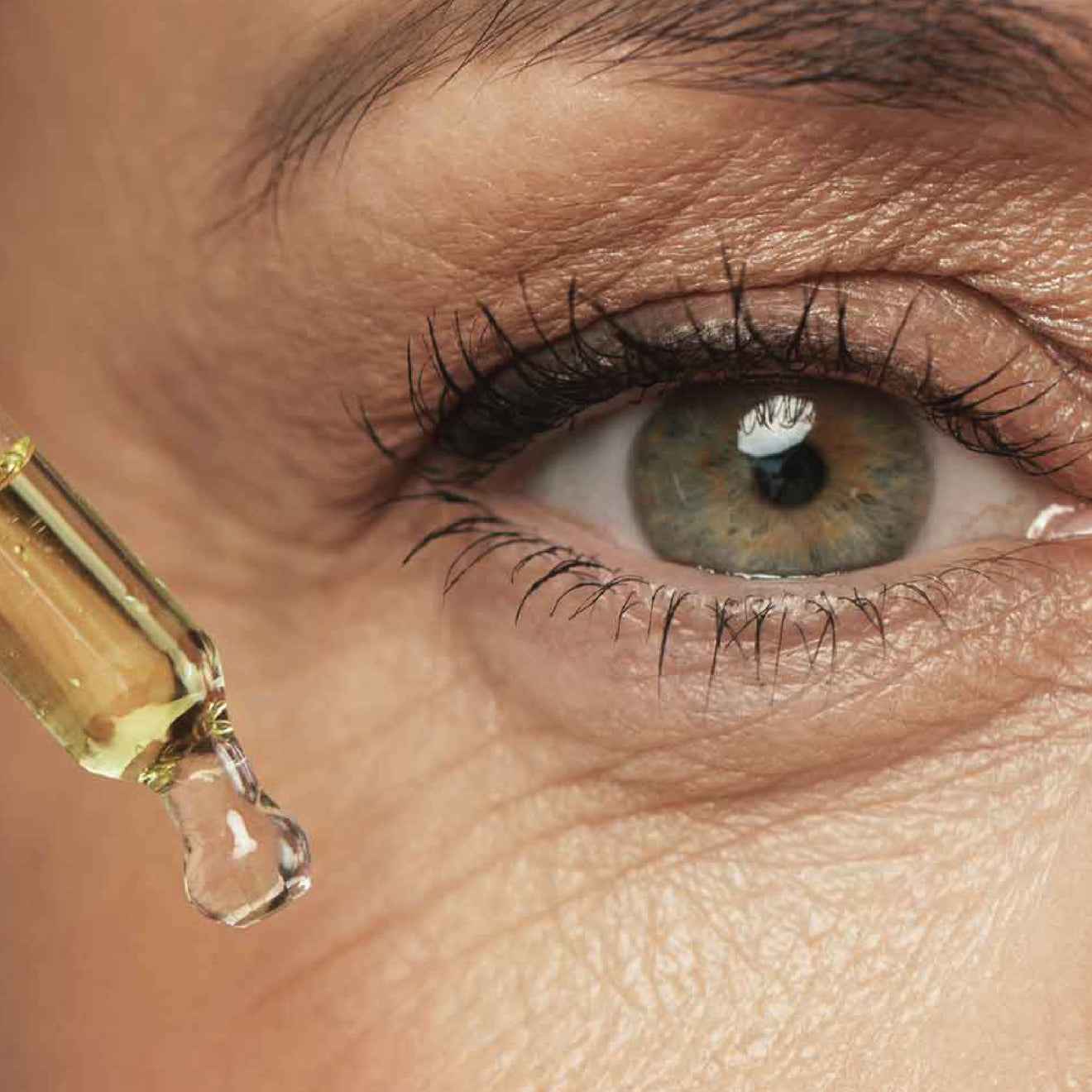
Why is there Skin Pigmentation On My Skin?
There are many reasons behind excess pigmentation happening. This condition can affect any skin tone and type. However, the cause is unique to the individual, which is why you can't take a one size fits all approach to skin. However, there are some common contributing factors to consider.
See how below:
- Sun exposure: The sun is the main cause of pigment like an uneven skin tone, and sun spots. As the excessive sun exposure leads to sun spots on the face, or other body parts.
- Hormonal Fluctuations: Changes in hormones, like pregnancy or taking contraceptives can trigger hormones. This is because both trigger the production of melasma.
- Post-inflammatory Hyperpigmentation: From a former skin injury, acne to eczema, there are many reasons behind this condition. Once done, this leaves brown spots.
- ageing skin: The photoageing process allows for the skin to overproduce on melanin. Which then leads to physical signs, like sun spots or patches.
- Skin Pigmentation Disorders: Some conditions lead to excessive pigmentation, or skin lightness. This will cause either a darkening or lightening effect. Some disorders include vitiligo and albinism.
What are the Different Kinds of Skin Pigmentation?
Have you spotted skin pigment, but aren't sure how to identify it? From contemplating a melasma to sun spot removal, it can be hard to know the difference. However, it's important to note that this varies based on the cause of the pigment.
See how below:
When bluish grey, or brown patches appear on the skin. The size of these patches are very broad on the skin's surface area. They also usually appear as a light, grey or a dark brown colour.
As implied by its name, this is when very pigmented spots appear on the skin. It arises from excess sun exposure, and resembles a skin coloured appearance with a scaly feel.
When the skin has become inflamed, or had any injury, these pigments appear. Providing some added darkening to the skin, from tan to black colours.
This is a well known skin pigmentation, as it leaves tiny spots on the skin. This ranges from the face to the arms, and the freckles are typically brown or tan.
*If you're concerned about your hyperpigmentation, we advise that you consult with your medical practitioner.
How You Can Address Skin Pigmentation, with Powerhouse Ingredients
When it comes to the choice of skincare, it's important to recognise that this is key to your day-to-day routine. By choosing the right star ingredients, this can help to improve the appearance of skin pigmentation. This ranges from different skin types to tones.
See some of these key ingredients below:
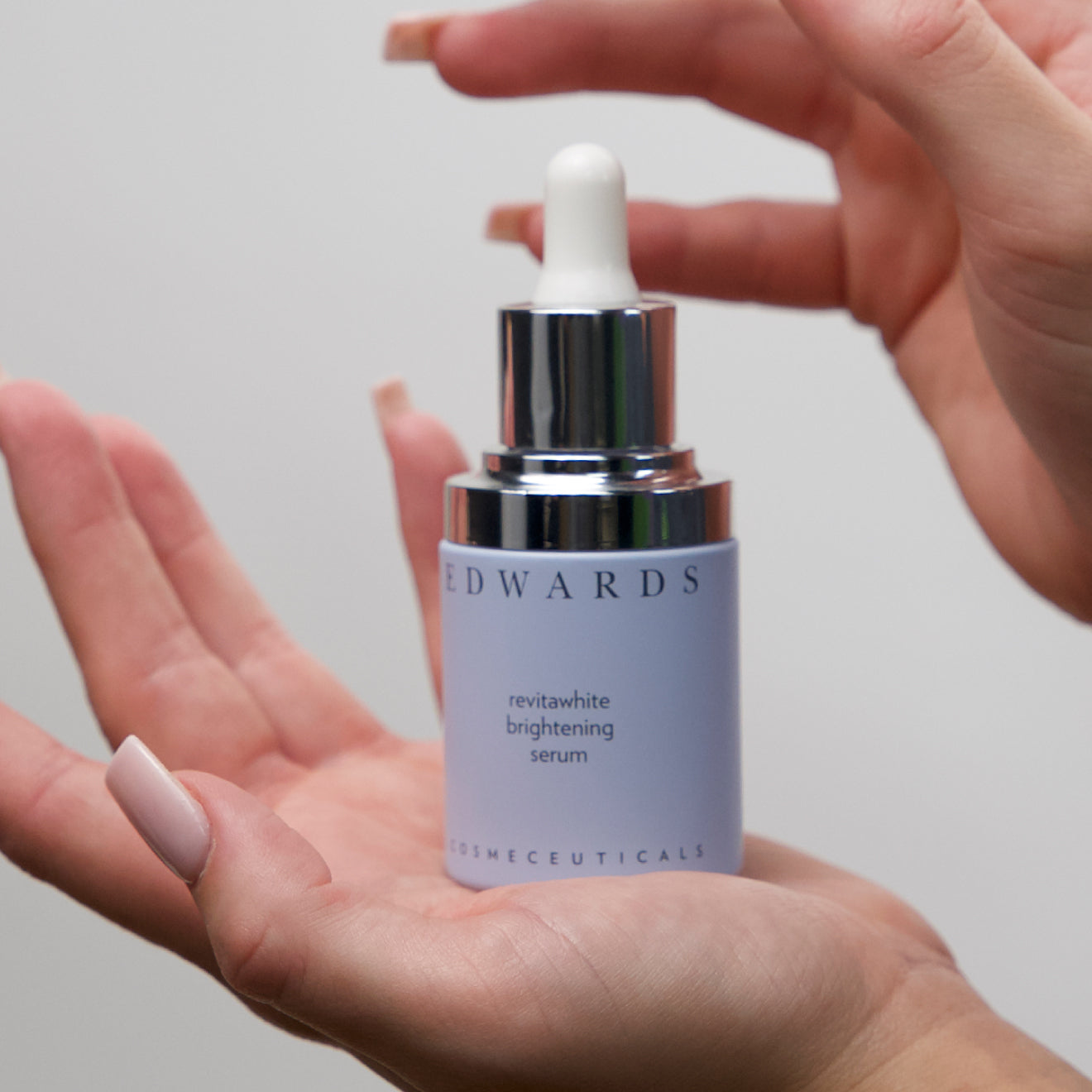
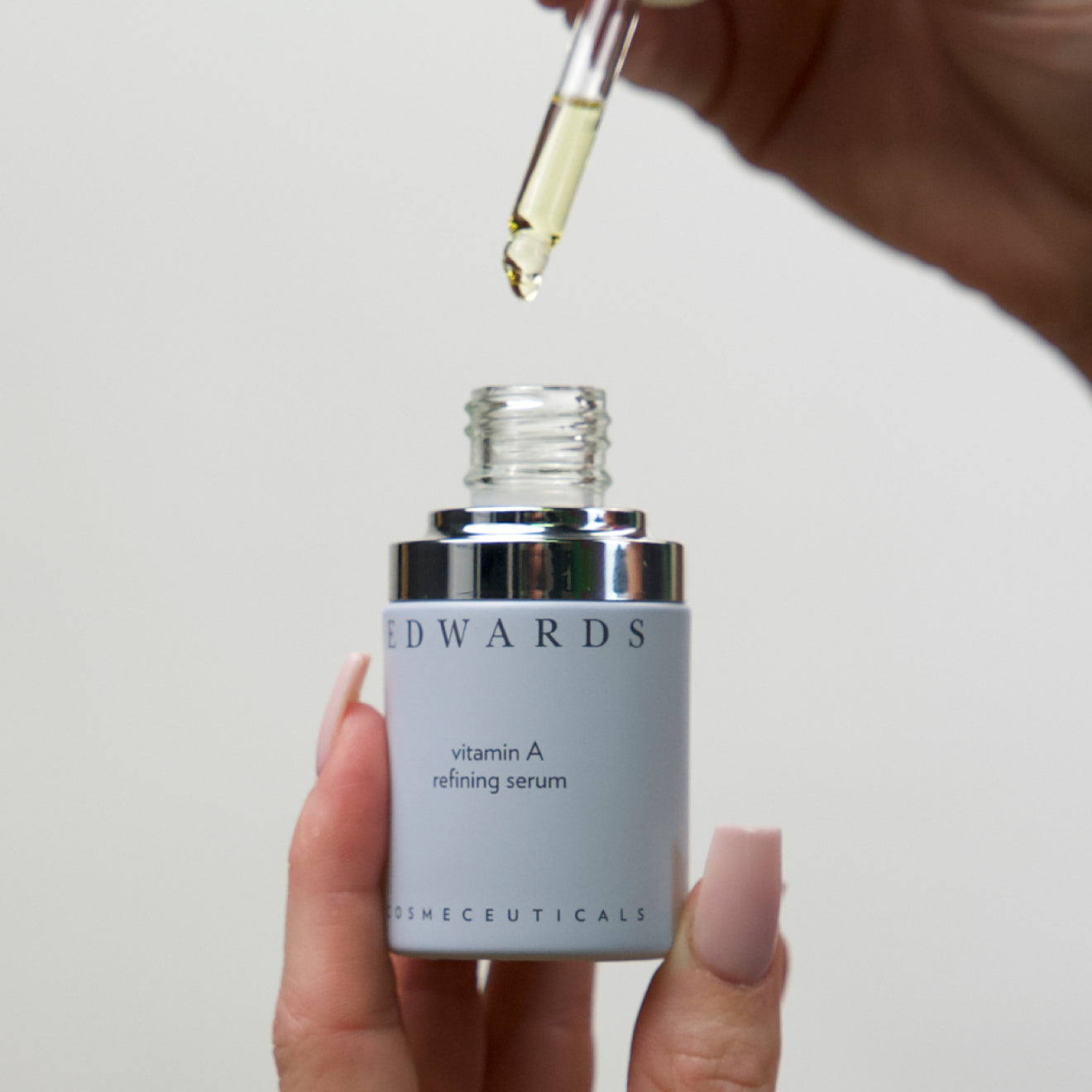
- Vitamin A: This vitamin triggers the skin’s cell turn over, causing newer cells that are even in colour. To maximise the benefits of this ingredient, see the vitamin A refining serum to boost collagen production.
- Niacinamide: To stop melanin from reaching the skin's surface, niacinamide provides a solid barrier against this.
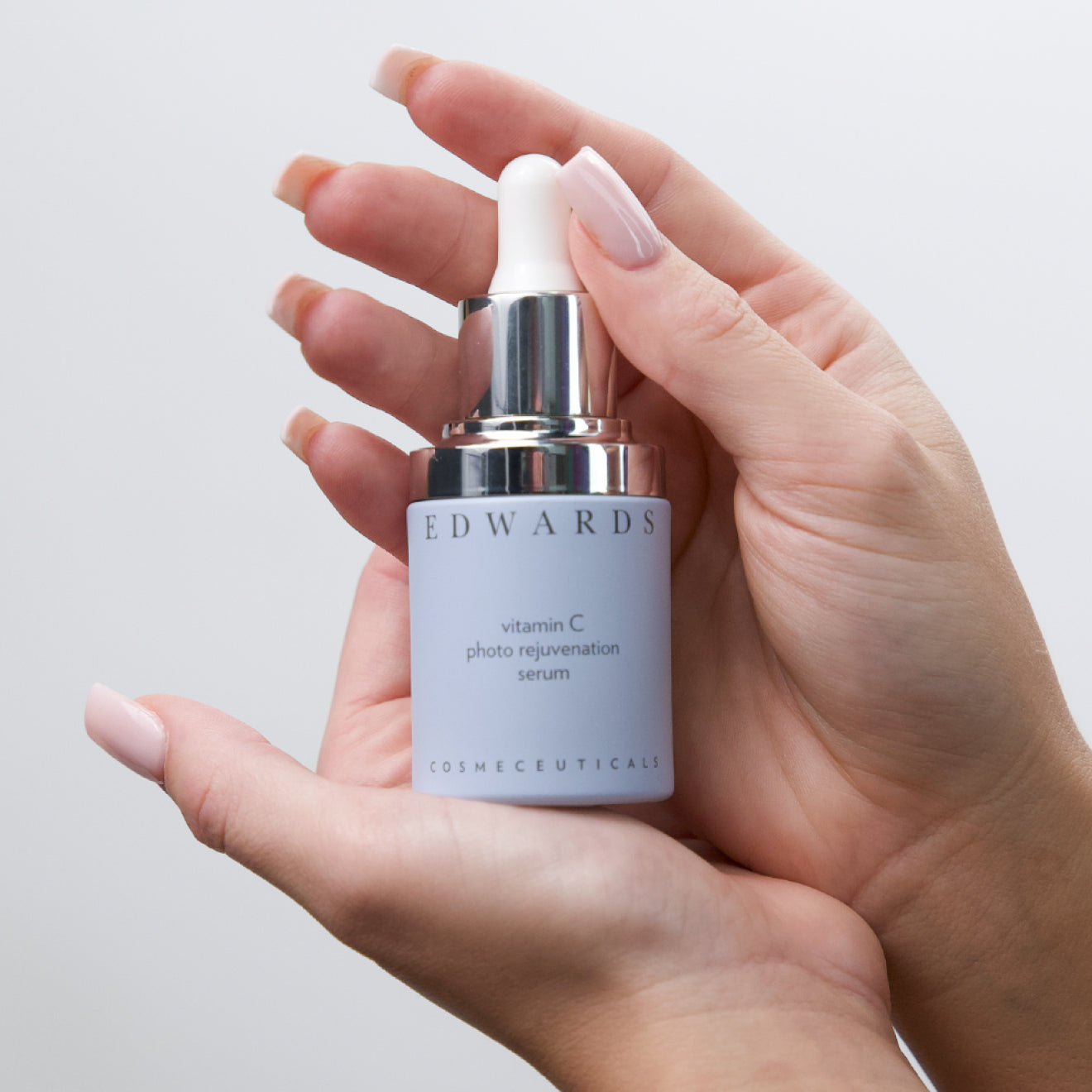
- Vitamin C: The key ingredient prevents excess melanin production from occurring, and as a result, pigmentation. To minimise the appearance of hyperpigmentation, see the vitamin C photo rejuvenation serum.
- Glycolic Acid: This ingredient works to exfoliate the surface layer of the skin, fading the pigmentation.
- Retinol: This central ingredient works to trigger the cell turn over, as well as regulate the pigment production process.
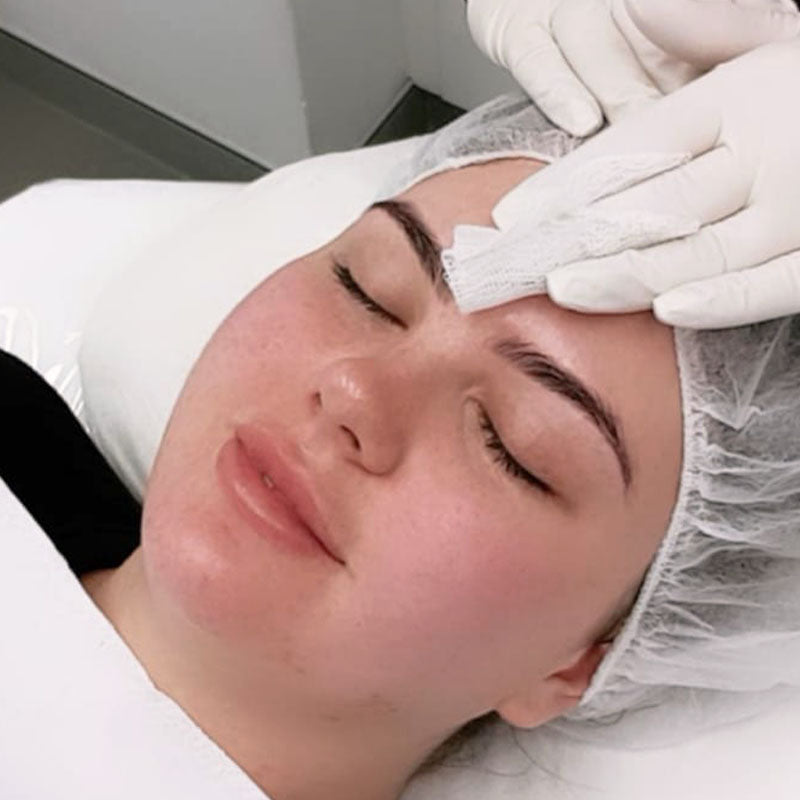
White Peel + LED Light
A brightening peel that treats sun damage, hyperpigmentation and dull, uneven skin. Keeps melanin production under control.
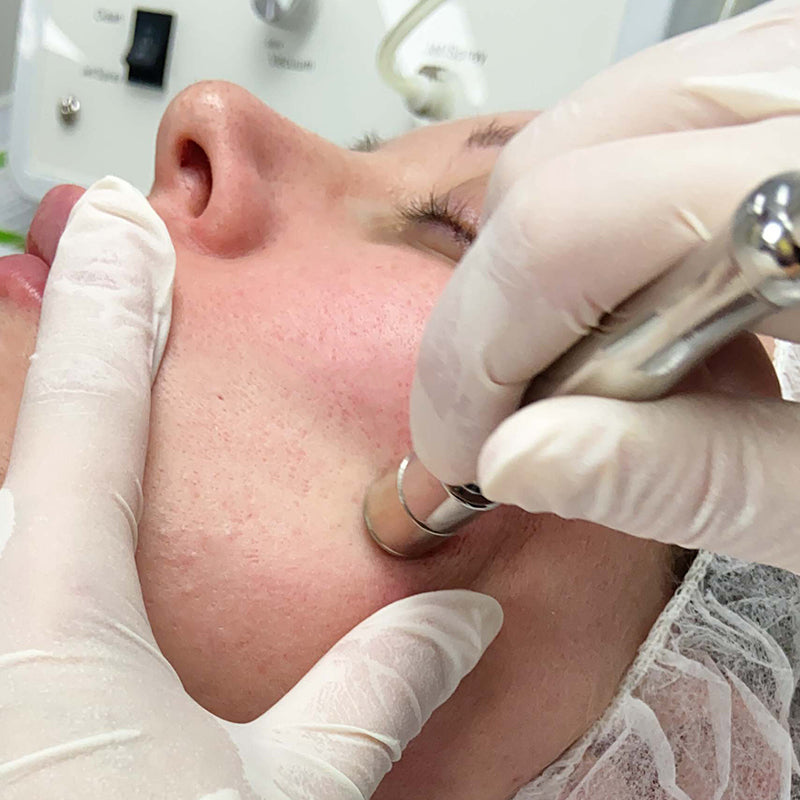
Micro Express
Exfoliation is an important part of skin health as it deeply cleanses and promotes blood circulation, achieving a natural radiant glow.
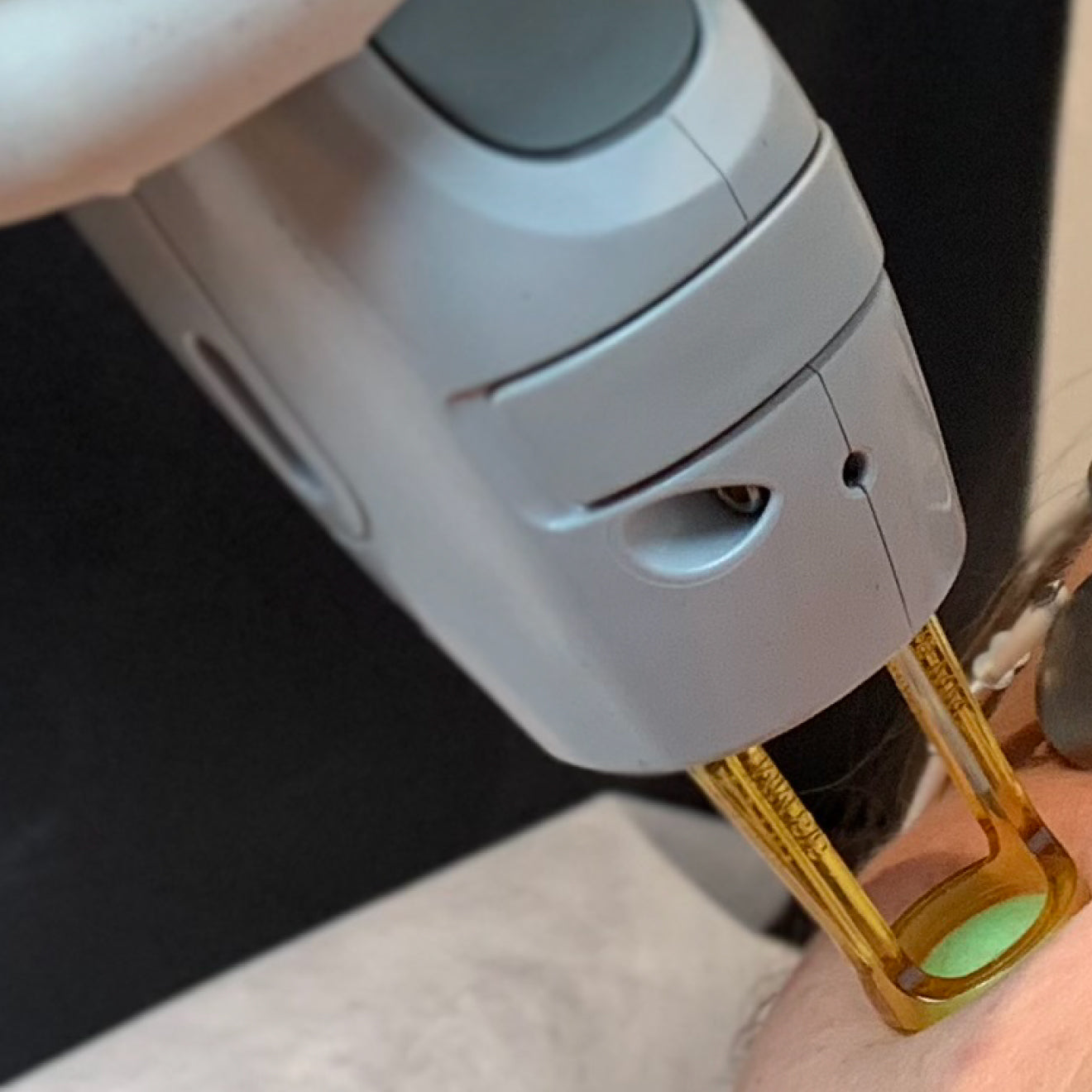
Laser Therapy
Laser light transmits heat into the skin, which targets dark colouring. The laser shatters the pigment, drawing the pigment to the surface. This allows the dermis to start its natural healing process to reveal a more even complexion. Consultations available with one of our Therapists.

Save time, book online today!
Interested in a skin treatment and not sure which one is right for you? We have complimentary consultations with Clinical Therapists available.
Your Anti-Pigmentation Skincare: Step-by-Step Routine
If you find yourself asking "How do I remove sun spots, or other skin pigmentation?" It's important to know that your regimen is key. By maintaining a custom daily skincare routine, you can protect your skin from any hyperpigmentation. Alongside strengthening your skin's barrier.
Picture your daily skin routine below:
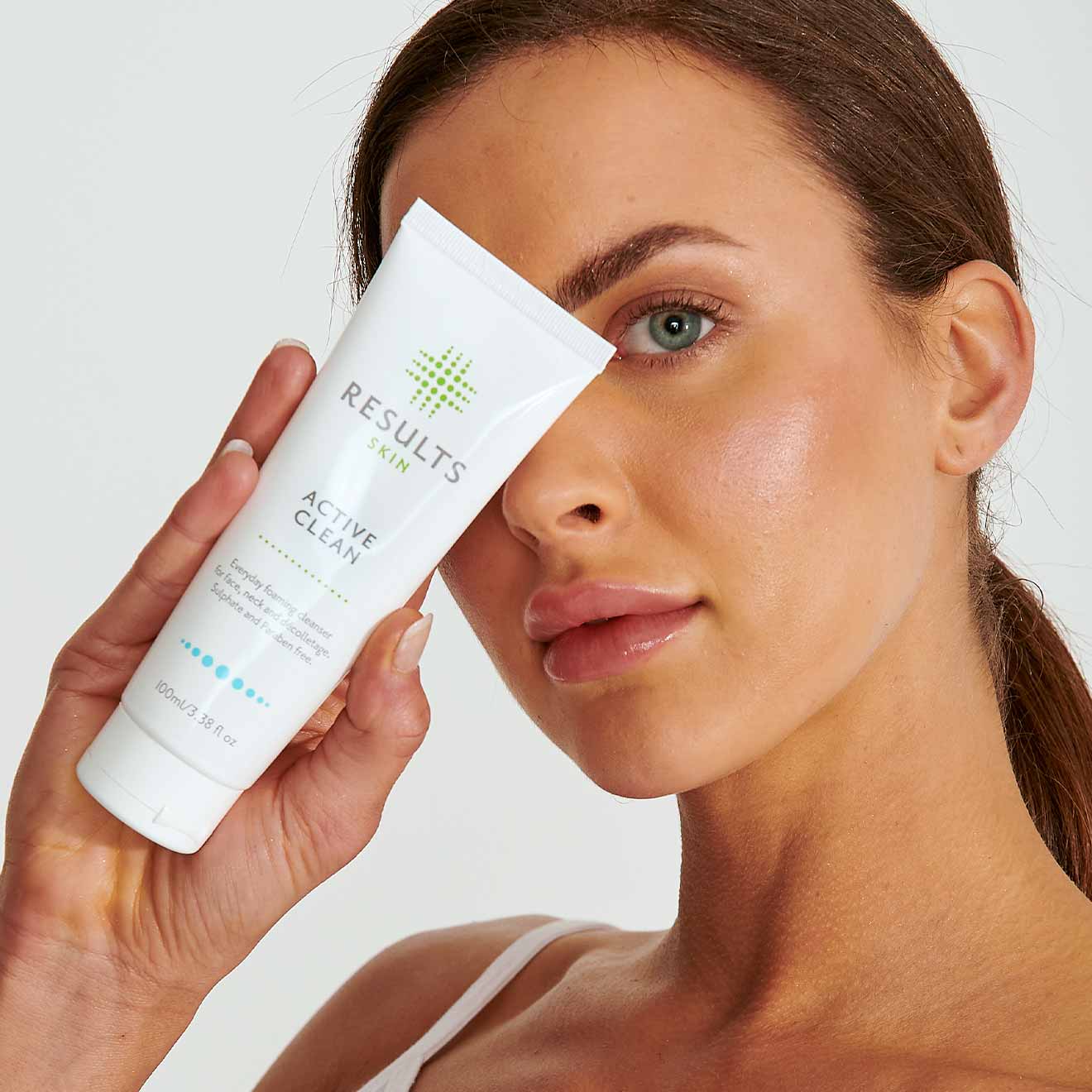
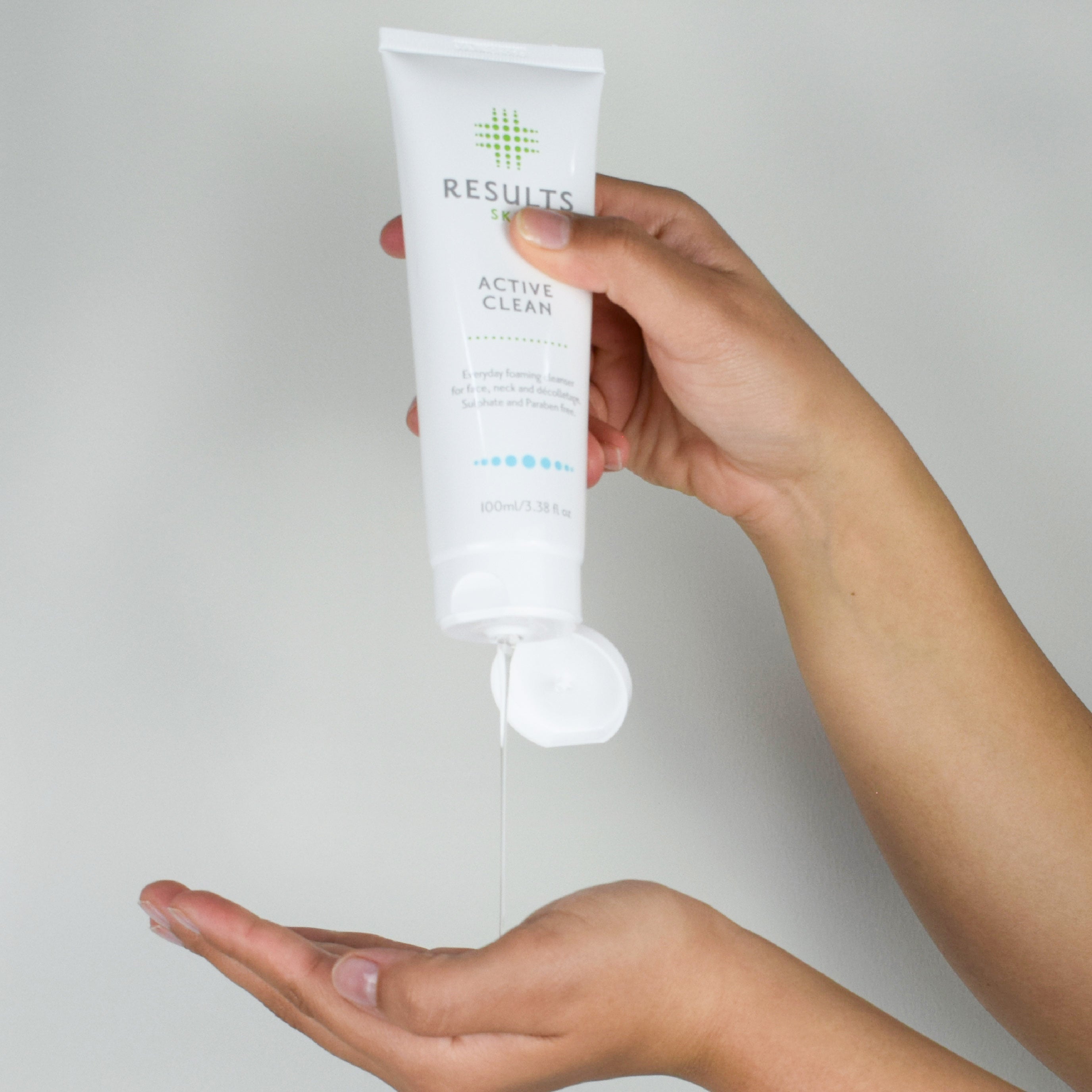
- Cleanse Your Skin Carefully
To clean and prepare the skin for product absorption, using a skin cleanser is essential. Cleanse impurities off the skin, such as dirt and sebum by using the active clean. This contains citric acid to very gently exfoliate the skin's surface when cleansing.
- Gently Exfoliate the Skin (2-3/weekly)
Every week, exfoliate your skin gently two to three times. By doing so you're effectively removing the top layer of the skin. This can help your skin to unveil a brighter, more refreshed, and rejuvenated appearance.
- Provide a Potent Serum
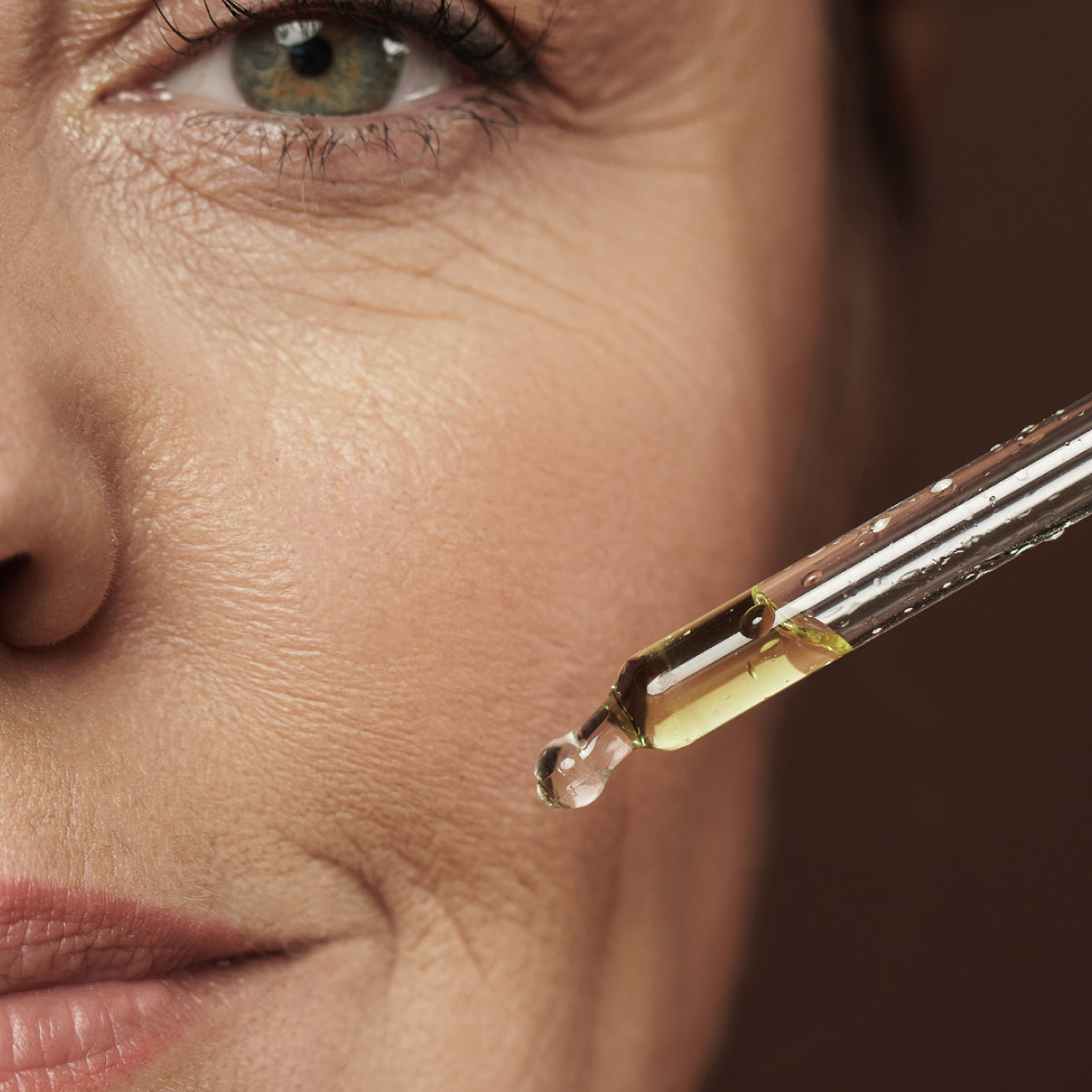
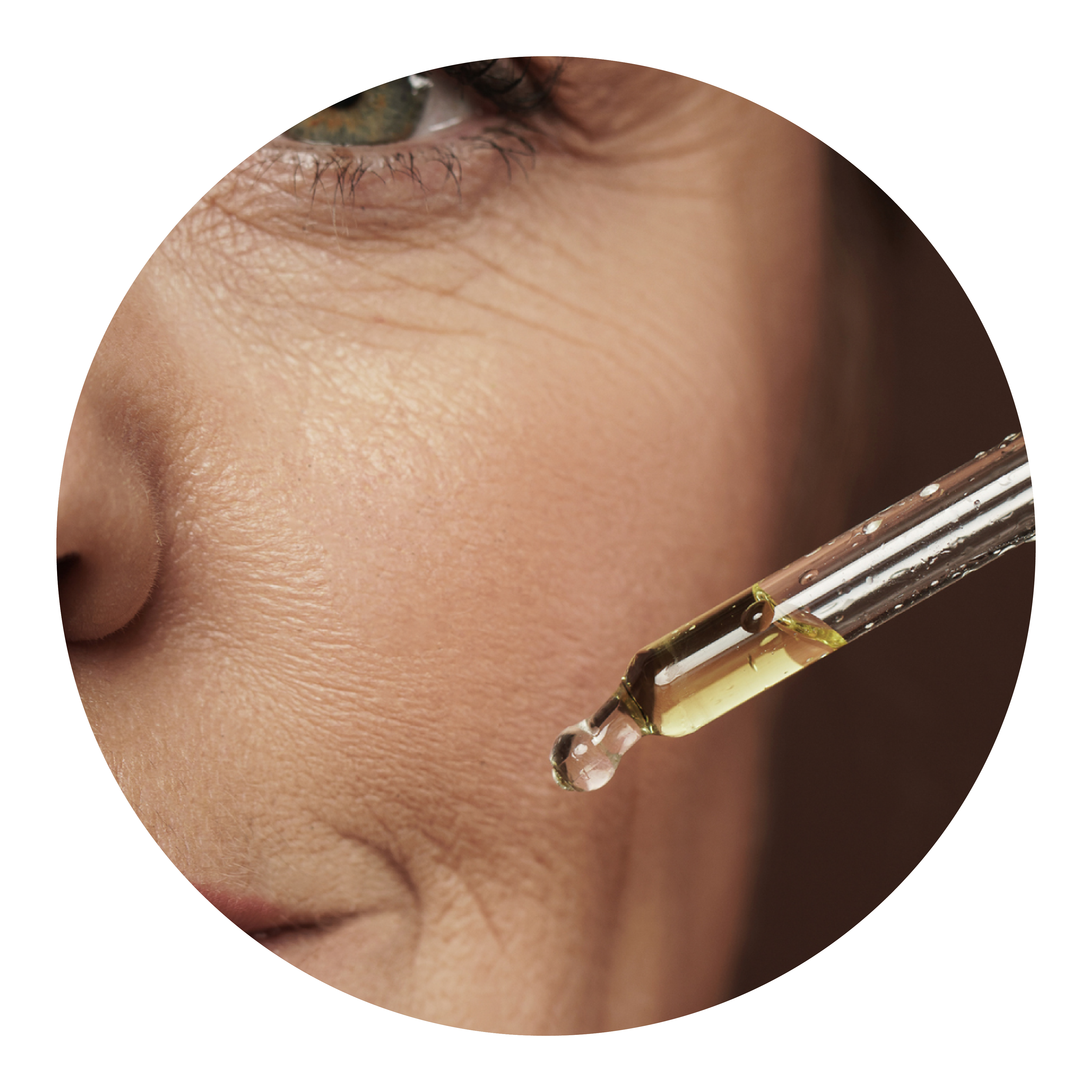
Once your skin is prepared, applying a serum will administer a concentrated ingredient formulation to the skin. This helps to reduce the appearance of dark spots, or hyperpigmentation over time.
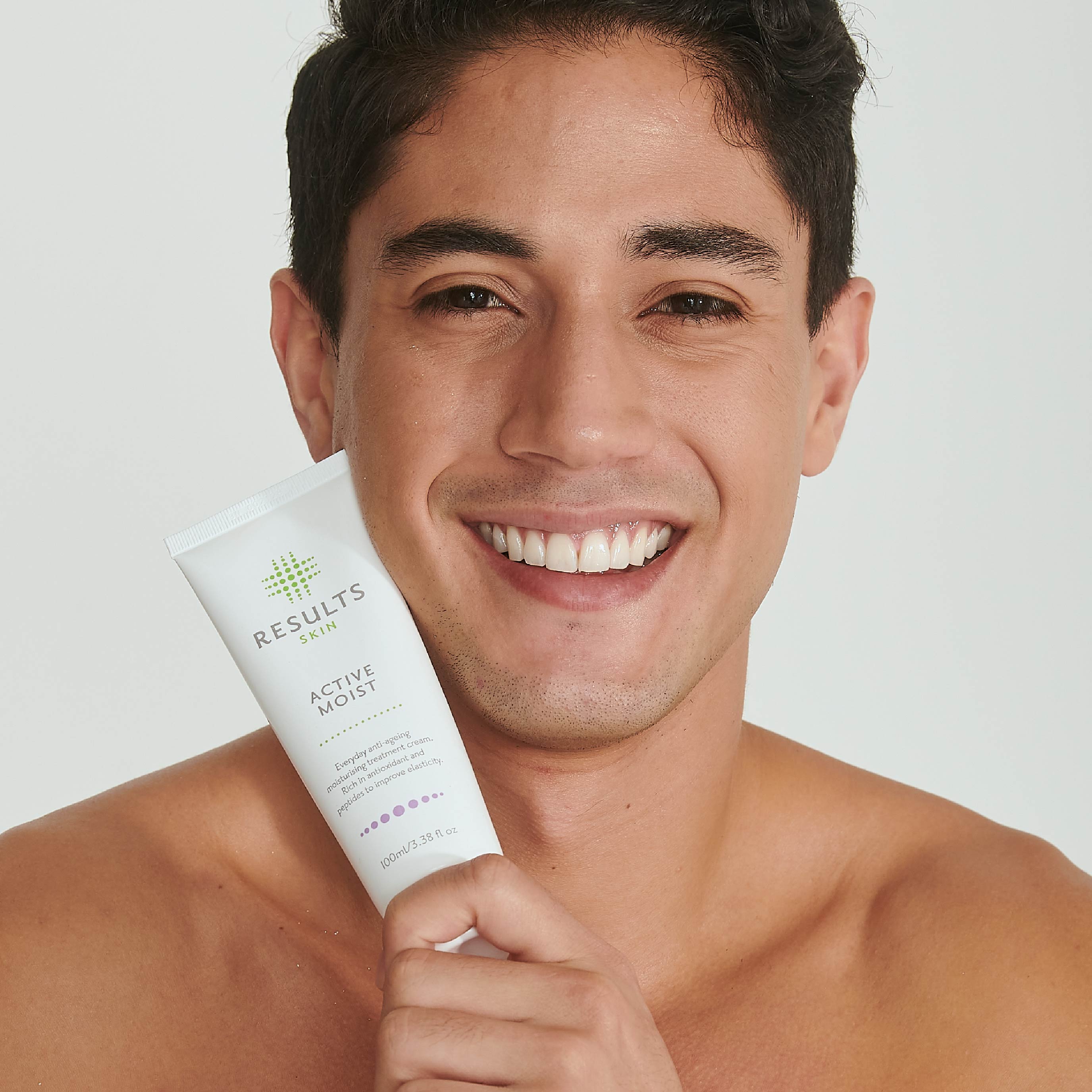
- Moisturise to Quench Your Skin
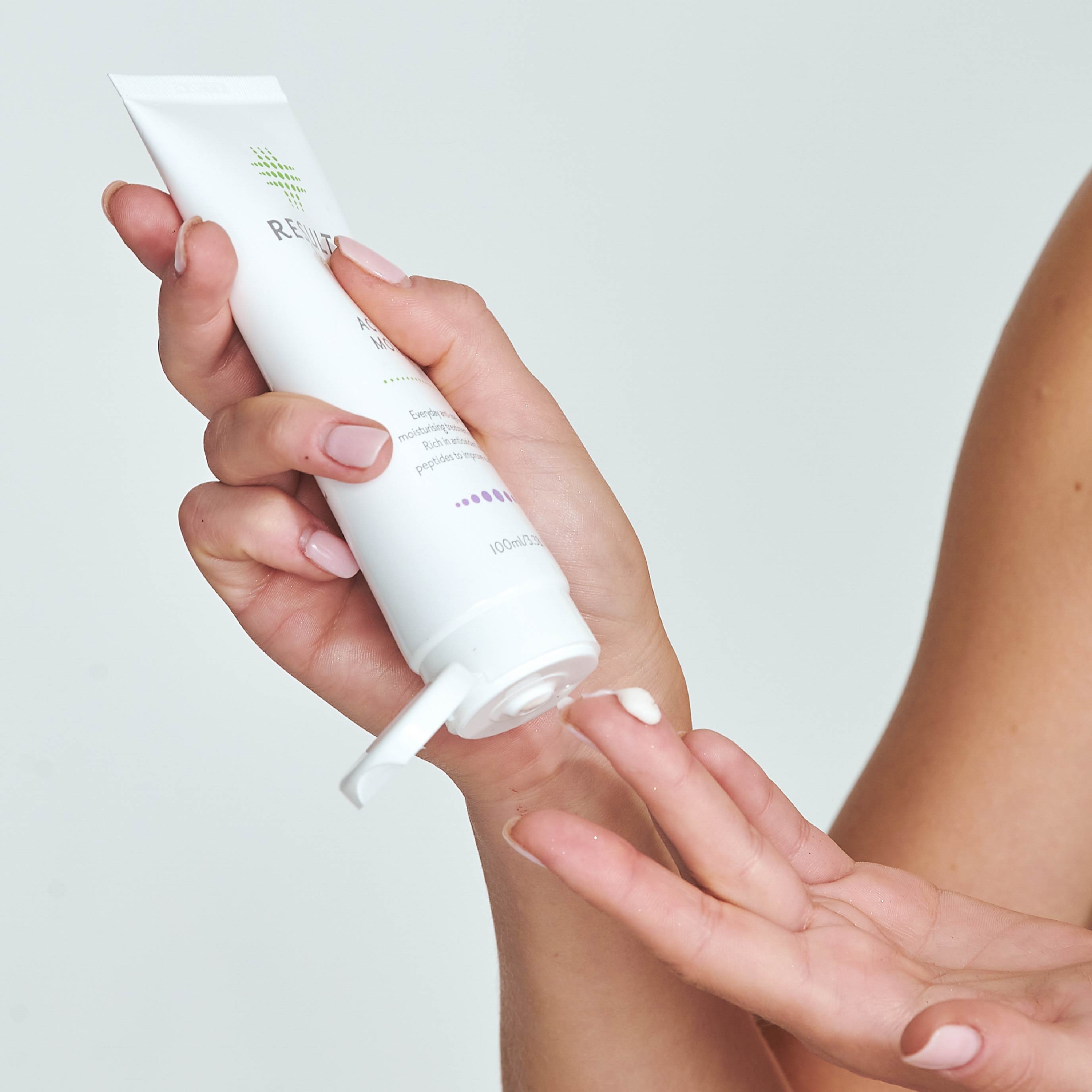
Keep your skin moisturised and nourished, with daily skin hydration by using a moisturiser. To strengthen your skin barrier, opt for the active moist. The ginseng root extract is key for improving the appearance of hyperpigmentation.
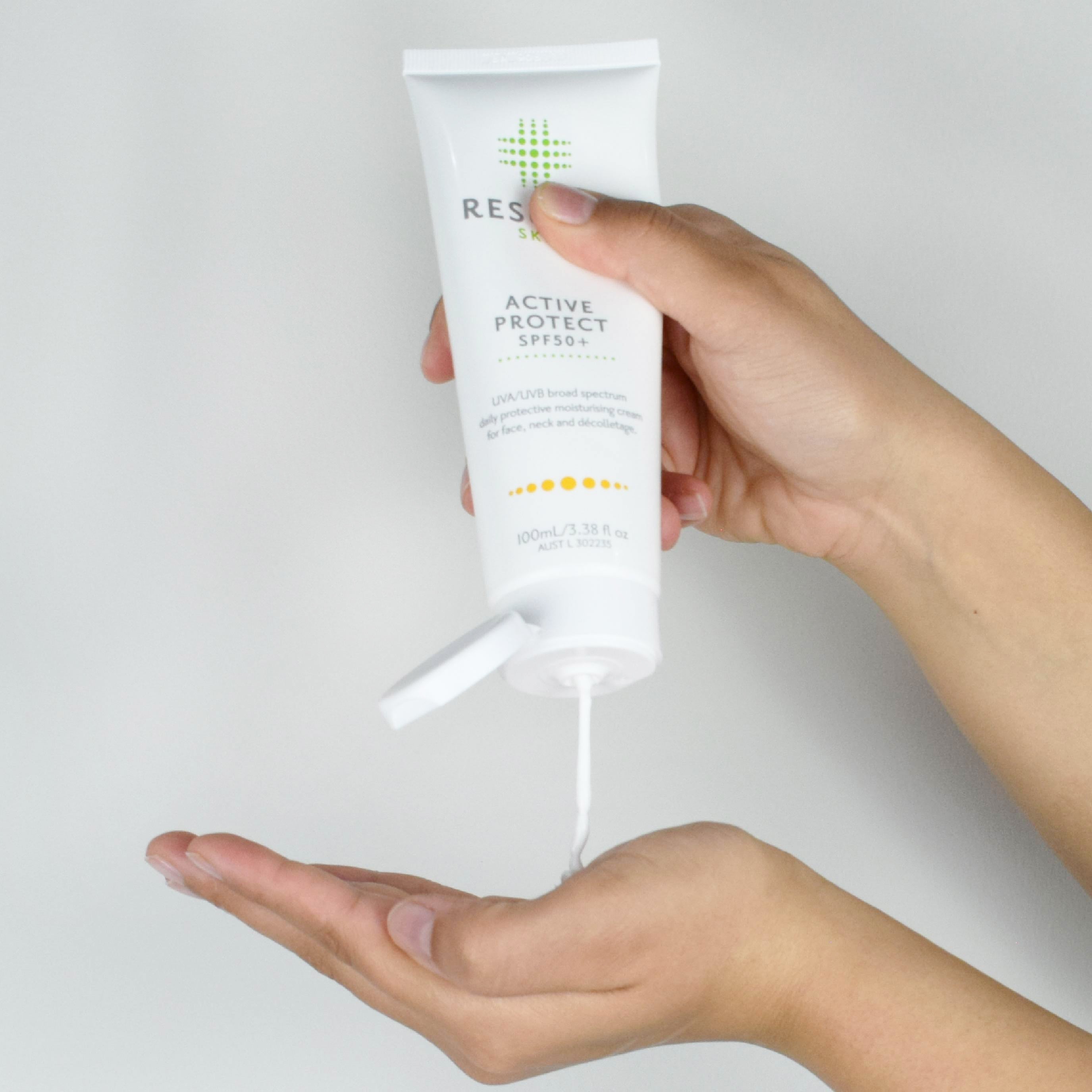
- Protect Your Skin, with SPF 50+
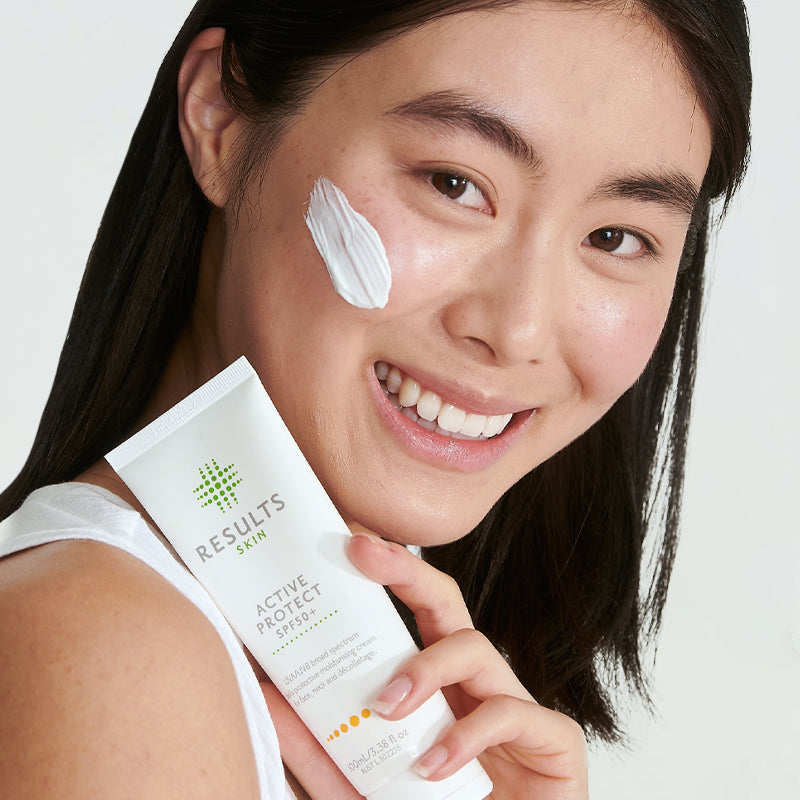
Prevent sun damage, and hyperpigmentation to your skin, by strictly applying sunscreen with the highest SPF of 50. For comprehensive yet breathable sun protection, see the active protect SPF 50+. It's practical enough for day-to-day use, from being the final layer of your skincare, to acting as a base underneath makeup.

Protection is Pigment Prevention: Tailored Skincare Collection
Faced with spots on the skin, or even discolouration? The truth is, building the right routine is key. This strengthens your skin barrier to resist any pigment changes. Take a personalised approach to your skin here, when you select our range. Find products that meet your unique skin type, tone and texture.
Browse through our skin pigmentation range today!