
Chemical Peel for Pigmentation: Which Peel Works Best for Your Skin?

Skin Treatments
Pigmentation is one of the most common skin concerns Australians deal with — sun spots, melasma, post-acne marks, and uneven tone that won't budge no matter what you put on it at home. A professional chemical peel can change that. But not every peel is the same, and choosing the wrong one won't get you the results you're after.
Quick Answer
Chemical peels work by accelerating cell turnover to lift pigmented cells and reveal fresher, more even skin beneath. The right peel for you depends on your pigmentation type — sun spots, melasma, or post-acne marks — and your skin tone. Most clients need 4 to 6 sessions for significant, lasting improvement.
Can Chemical Peels Actually Treat Pigmentation?
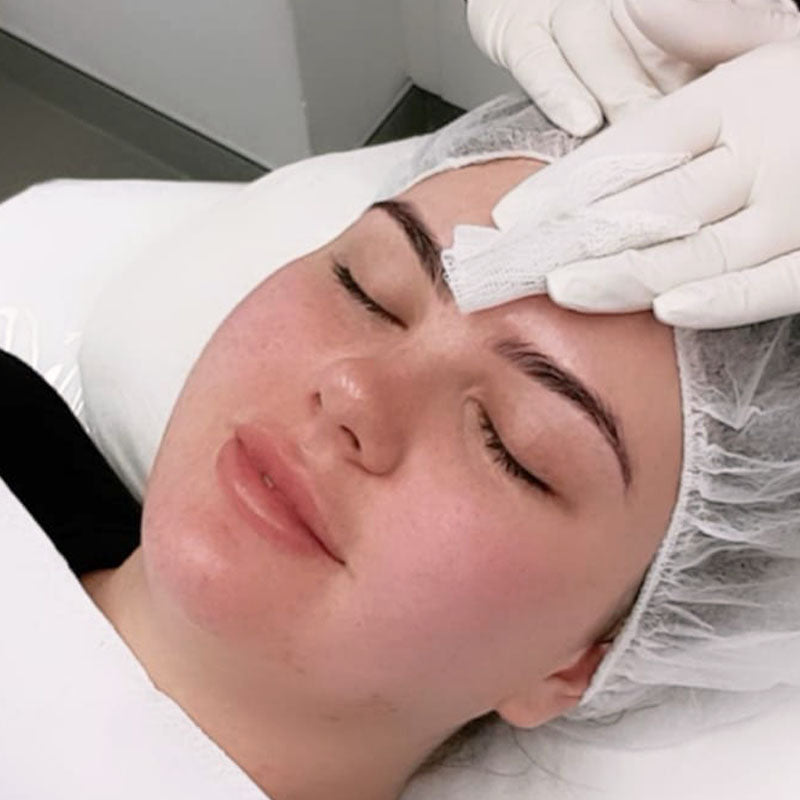
The short answer is yes — and they work well when the right peel is matched to the right skin concern. Chemical peels remove the outermost layers of skin through a controlled exfoliation process, which helps break up pigmented cells and speed up the natural shedding cycle. Over a course of treatments, this leads to a visibly more even complexion.
The types of pigmentation peels treat most effectively include:
- Sun spots and solar lentigines — brown spots caused by UV exposure
- Post-inflammatory hyperpigmentation (PIH) — dark marks left behind by acne, trauma, or inflammation
- Melasma — hormonal pigmentation, often appearing across the cheeks, forehead and upper lip
- Uneven skin tone and dullness — caused by accumulated dead skin cells and environmental damage
Which Chemical Peel Works Best for Pigmentation? (Comparison Table)
Results Laser Clinic offers a range of peels suited to different pigmentation concerns. Here's how they compare:
| Peel Type | Best For | Skin Tone Suitability | Downtime | Sessions Needed |
|---|---|---|---|---|
| Mandelic Peel | PIH, acne pigmentation, sensitive skin, darker tones | All Fitzpatrick types | Minimal (mild redness 24hrs) | 4–6 |
| White Brightening Peel | Sun spots, overall brightening, uneven tone | Fair to medium | Minimal to none | 4–6 |
| Acne Peel | PIH from active acne, congested skin, oily skin | All types (with assessment) | Minimal | 4–6 |
| Photo Age Peel | Sun damage, age spots, photo-aged skin | Fair to medium | Mild flaking 3–5 days | 3–5 |
What Results Can You Expect from a Pigmentation Peel?
Realistic expectations matter here. Chemical peels don't deliver overnight results — they work gradually over a series of sessions. Here's what you can realistically expect:
- Session 1–2: Skin appears brighter and more refreshed. Some clients notice immediate improvement in texture.
- Session 3–4: Visible reduction in the intensity of pigmentation patches. Sun spots begin to fade.
- Session 5–6: Significant, lasting improvement in skin tone evenness. PIH marks continue to fade with continued SPF use.
SPF 50+ every single day is non-negotiable during a peel course. UV exposure without protection will undo your results fast — new pigmentation can form on freshly sensitised skin even with minimal sun exposure.
What is Post-Inflammatory Hyperpigmentation and How Do Peels Treat It?
Post-inflammatory hyperpigmentation (PIH) is the dark discolouration left behind after acne, a cut, an ingrown hair, or any kind of skin trauma. The body overproduces melanin as part of the healing response — and that excess pigment shows up as a flat, discoloured mark long after the original blemish has healed.
Chemical peels — particularly the mandelic peel — accelerate cell turnover, which physically moves pigmented cells through the skin cycle faster. Combined with a targeted peel course, many clients see PIH fade significantly within 6 to 8 weeks.
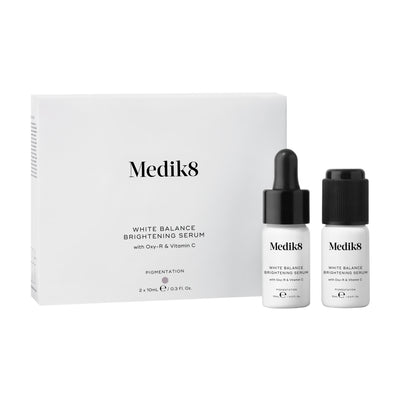
For deeper or stubborn pigmentation, your clinician may recommend combining a peel with a brightening serum to further inhibit melanin production between sessions.
How to Care for Your Skin After a Pigmentation Peel
Aftercare is just as important as the treatment itself. Follow these guidelines after every session:
- SPF 50+, every day, rain or shine — this is the single most important step
- Avoid active exfoliants (retinol, AHAs, BHAs) for at least 48 hours post-treatment
- Cleanse with a gentle, fragrance-free cleanser for the first few days
- Stay well hydrated and use a gentle moisturiser to support skin barrier recovery
- Avoid direct sun exposure and tanning beds throughout your peel course
- Do not pick or scrub any flaking — let the skin shed naturally
Frequently Asked Questions
Can a chemical peel remove sun spots?
Yes. Chemical peels are one of the most effective professional treatments for sun spots (solar lentigines). They work by accelerating cell turnover, which lifts and sheds the pigmented cells causing the spots. A course of 4 to 6 sessions, combined with strict daily SPF use, typically produces significant fading. The white brightening peel and photo age peel are particularly suited to sun spot reduction.
What is the best peel for post-acne hyperpigmentation?
The mandelic peel and acne peel are both excellent choices for post-acne marks. The mandelic peel is ideal if your skin is sensitive, as its larger molecular structure means less irritation and gentler penetration. The acne peel includes antibacterial ingredients that address any residual congestion alongside the PIH. Both can be combined with LED light therapy for enhanced results.
How many peels do I need for pigmentation?
Most clients need 4 to 6 sessions for meaningful, lasting pigmentation reduction. Sessions are spaced 3 to 4 weeks apart to allow the skin to complete its natural healing cycle. Some superficial sun spots may respond after just 2 to 3 sessions, while deeper hormonal pigmentation (melasma) typically requires a longer, more consistent course alongside dedicated sun protection.
Are chemical peels safe for darker skin tones?
Yes — with the right peel selection. Deeper peels carry a higher risk of post-inflammatory hyperpigmentation in darker Fitzpatrick skin types, which is why the mandelic peel is specifically recommended for medium to darker tones. Its larger molecule size and gentler penetration make it safe and effective for all skin types. A skin consultation at Results Laser Clinic will determine the most appropriate peel for your complexion.
What is post-inflammatory hyperpigmentation?
Post-inflammatory hyperpigmentation (PIH) is the dark discolouration that appears on the skin after acne, a wound, ingrown hair, or any form of inflammation. The body overproduces melanin as part of its healing response, leaving a flat, darkened mark after the original problem has resolved. PIH is not the same as a scar — it is purely pigmentation, which means it responds well to chemical peels and brightening treatments.
Do I need sunscreen after a chemical peel?
Absolutely — this is non-negotiable. After a chemical peel, the skin is temporarily more photosensitive because the protective outer layer has been exfoliated. UV exposure without SPF 50+ protection can trigger new pigmentation and reverse your treatment results. Apply SPF every morning (and reapply throughout the day if you're outdoors) for the duration of your peel course and beyond.
How much does a pigmentation peel cost in Australia?
The cost of a pigmentation peel in Australia varies depending on the type of peel, the clinic, and whether you purchase single sessions or a package. A free consultation at Results Laser Clinic will confirm exact pricing for your recommended treatment plan. Packages offer better per-session value and are the most cost-effective way to complete a full course.
Recommended Products
Not sure which peel is right for your skin? Our clinical team will build a personalised pigmentation treatment plan at your free consultation.
Book Your Free Consultation

