
Your Guide to Preventing UV Ray Skin Damage in AU

Summer is almost here, and so is the urge to chase that sun-kissed glow. We get it: a tan can make you feel confident and summer-ready. However, according to the Cancer Council, "Australia has some of the highest levels of UV radiation in the world", and "UV exposure causes 80% of visible, premature ageing." In other words, the tan you're working on now could be adding years to your skin. The good news? Most UV damage is preventable.
80%
of visible, premature ageing is caused by UV exposure
3+
the UV index at which SunSmart recommends protecting your skin
16–17
the UV index summer peaks can reach in northern Australia
Sources: Cancer Council Australia and SunSmart.
What is the UV Index and Why Does It Matter in Australia?
The UV index (also called the UV radiation index) measures how strong the sun's ultraviolet rays are at a given time. It runs from 0 to 11+, and the higher the number, the faster UV rays can damage your skin. Unlike heat, UV can't be seen or felt, so a mild, cloudy day can still carry a high UV index rating.
UV Index Rating Scale at a Glance
| UV index | Rating | What it means for your skin |
|---|---|---|
| 0–2 | Low | Sun protection generally not needed for most people |
| 3–5 | Moderate | Protect your skin: this is the SunSmart UV threshold |
| 6–7 | High | Skin can burn quickly; full protection needed |
| 8–10 | Very high | Damage can start within minutes; seek shade in the middle of the day |
| 11+ | Extreme | Maximum protection; limit time outdoors at peak times |
What UV Index Is Safe?
There's no completely "safe" level for unprotected skin, but SunSmart recommends protecting your skin whenever the UV index hits 3 or above. In most of Australia, that's nearly every day of the year. If you're wondering what UV index is safe for your skin long-term, the honest answer is that UV damage adds up over time, which is why daily habits matter more than occasional beach-day effort.
How High Can the UV Index Go in Australia?
The highest UV index in Australia is far above most of the world. According to Cancer Council Australia, summer peaks regularly exceed 12–14, and can reach 16–17 in northern parts of the country. UV levels are strongest between 10am and 2pm (11am to 3pm in daylight saving time).
Specialist tip
Check today's UV index, or the hourly UV forecast, on the free SunSmart Global UV app or the Bureau of Meteorology's UV light weather forecast before heading out. Treat any UV warning like a rain forecast: plan your protection around it.
How UV Rays Damage Your Skin
Two types of UV rays reach your skin, and both cause harm. An easy way to remember the difference: UVA ages, UVB burns.
-
UVA ages
UVA rays penetrate deep into the skin, breaking down collagen and elastin. They pass through clouds and car windows, so they reach you on overcast days and during your commute.
-
UVB burns
UVB rays affect the skin's surface and are the main cause of sunburn and direct DNA damage to skin cells.
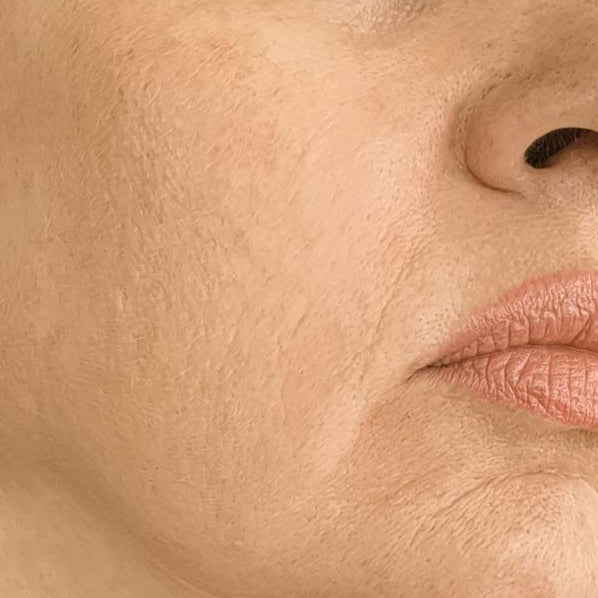
Premature Ageing: The Side of Tanning No One Talks About
A tan is your skin's emergency response to injury. Over time, that repeated damage shows up as fine lines, wrinkles, loss of firmness and a rough, leathery texture. Many clients tell us they wish they'd known this in their twenties, and we never judge. It's never too late to start protecting your skin.
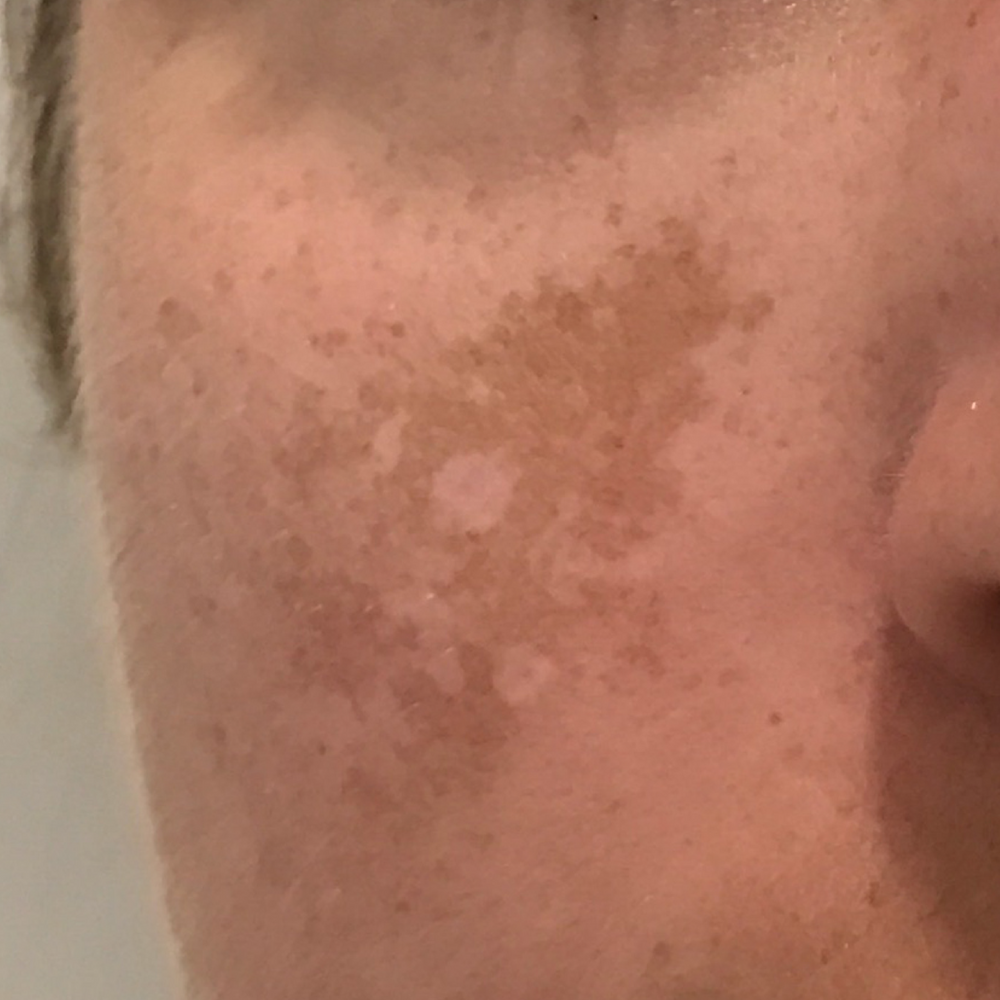
Sunspots and Uneven Skin Tone
UV exposure triggers extra melanin production, which can cluster into flat brown patches known as sunspots (or solar lentigines). They often appear on the face, chest, hands and shoulders, the areas that see the most sun. Ongoing skin damage from UV rays can also lead to redness, broken capillaries and pigmentation that's harder to fade the longer it's left.
Important: UV exposure is also the main cause of skin cancer. If you notice a new spot, or one that changes in size, shape or colour, see your GP or a skin cancer clinic promptly.
Your Daily Sun Protection Checklist
The best sun protection in Australia combines all five SunSmart steps whenever UV levels reach 3 or above:
- Slip on sun-protective clothing (UPF 50+ is ideal)
- Slop on a broad-spectrum, SPF50+ sunscreen
- Slap on a wide-brimmed hat
- Seek shade, especially in the middle of the day
- Slide on sunglasses that meet the Australian Standard
How to Apply Sunscreen Properly
- Apply 20 minutes before heading outside.
- Use about a quarter teaspoon for your face and a teaspoon per limb.
- Reapply at least every two hours, and after swimming, sweating or towelling.
- Apply sunscreen before makeup: SPF in foundation alone won't give you enough coverage.
Choosing a Sunscreen You'll Actually Wear Every Day
The most effective sunscreen is the one you're happy to wear daily. Our Results Laser sun care range complies with the Australian Regulatory Guidelines for Sunscreens and is formulated for everyday Australian life:
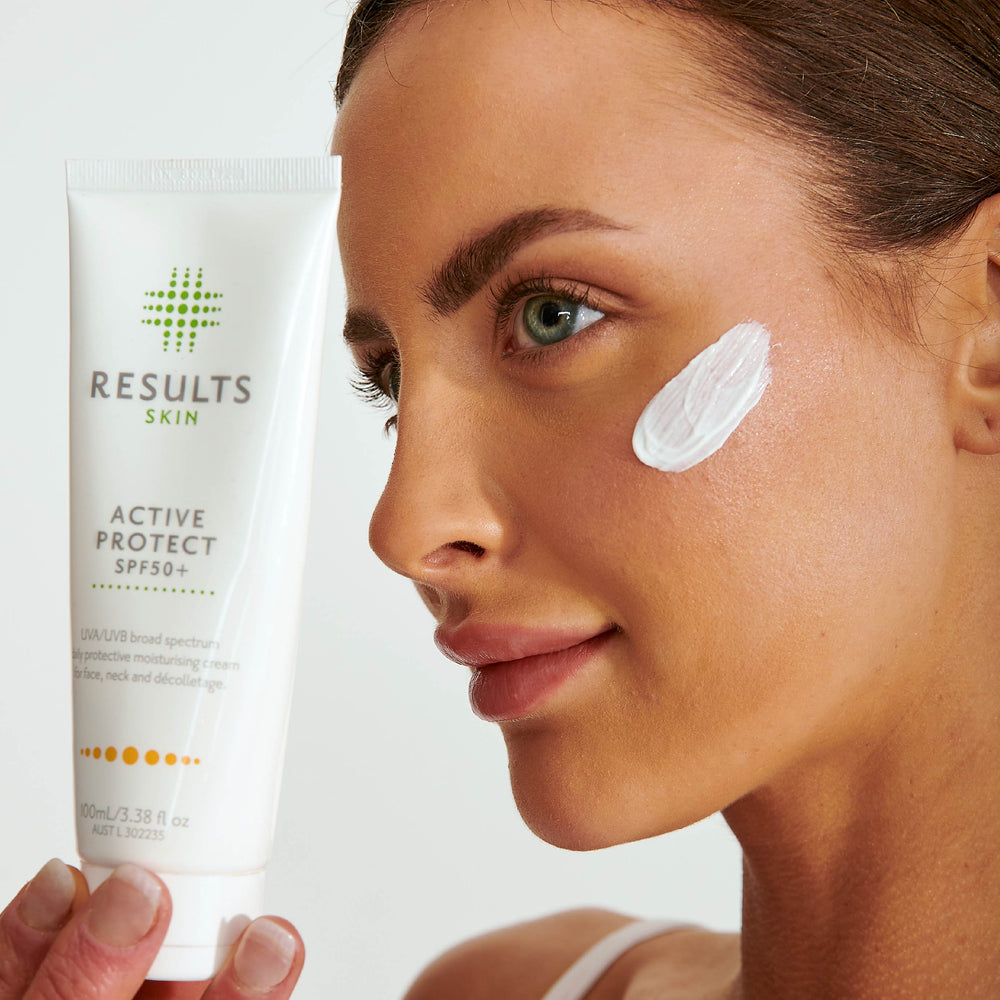
Results Active Skincare
Active Protect SPF50+
- Sits Well Under Makeup: Active Protect SPF50+ is non-greasy, so your base stays put.
- No White Cast: Absorbs quickly for an invisible finish on a range of skin tones.
- Lightweight and Hydrating: Glycerin helps skin hold moisture without feeling heavy.
When the UV warning is high, think of sunscreen as one layer of defence, not your only one.
Why a Soothing After-Sun Routine Matters
Even with great habits, a long day outdoors can leave skin warm, tight or red. If you've missed checking the sunburn index today and caught a little too much sun, a gentle after-sun routine helps calm and rehydrate your skin.
Your Simple 4-Step After-Sun Care Routine
- Cool Down: Take a cool (not cold) shower to ease heat in the skin.
- Cleanse Gently: Skip scrubs, acids and retinol for a few days.
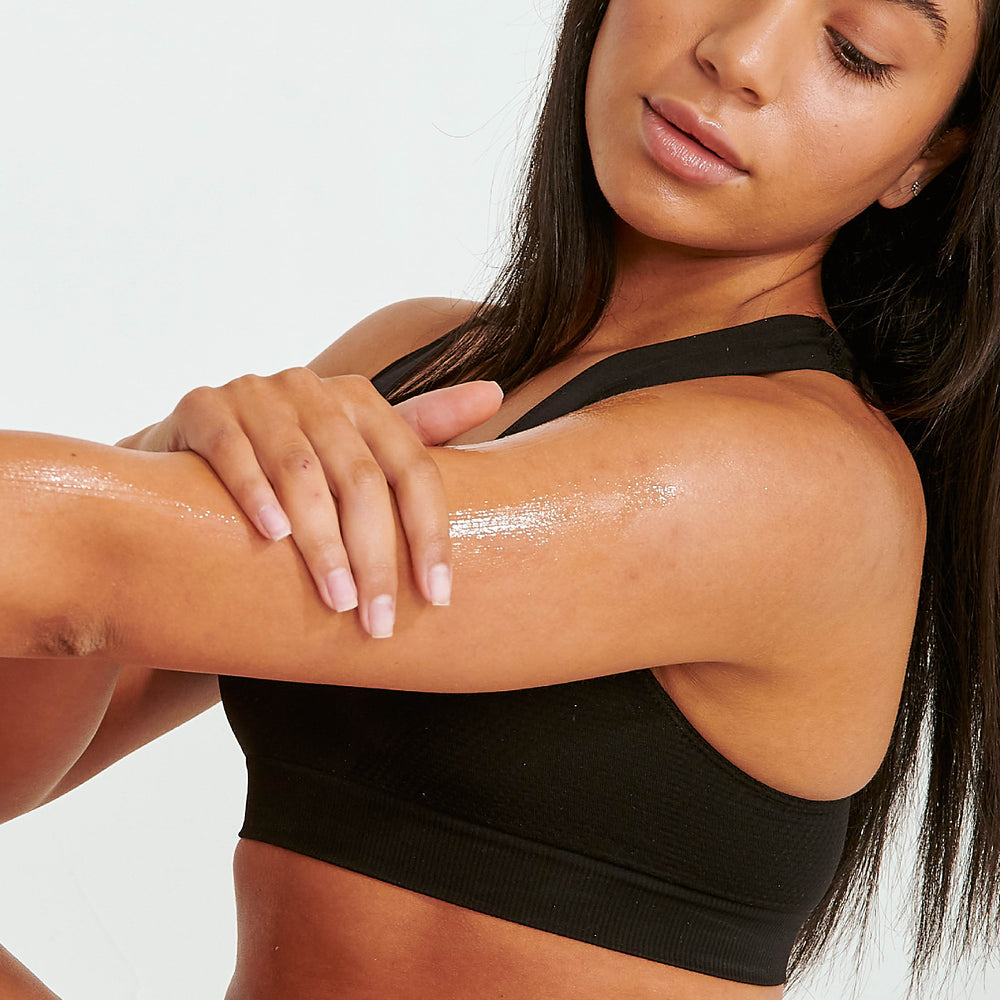
- Soothe: Apply a calming gel such as Active Recovery Gel, made with aloe vera and allantoin to comfort and hydrate.
- Hydrate: Drink plenty of water and keep skin moisturised while it recovers.
Experiencing sunburn blisters that cover a large area, or come with fever, chills or nausea? Get in touch with your general practitioner as soon as possible.
Already Seeing Sun Damage? You Have Options
If sunspots or fine lines are already showing, please don't be hard on yourself. Most Australians have some sun damage, and there are effective ways to improve it.
Sun Damaged Skin Treatment Options
| Option | Best for | Where |
|---|---|---|
| Targeted skincare (vitamin C, retinol, brightening serums) | Early pigmentation, dullness, fine lines | At home |
| Chemical peels | Uneven tone and texture | In clinic |
| Laser treatment for sun damaged skin | Sunspots, pigmentation, redness | In clinic |
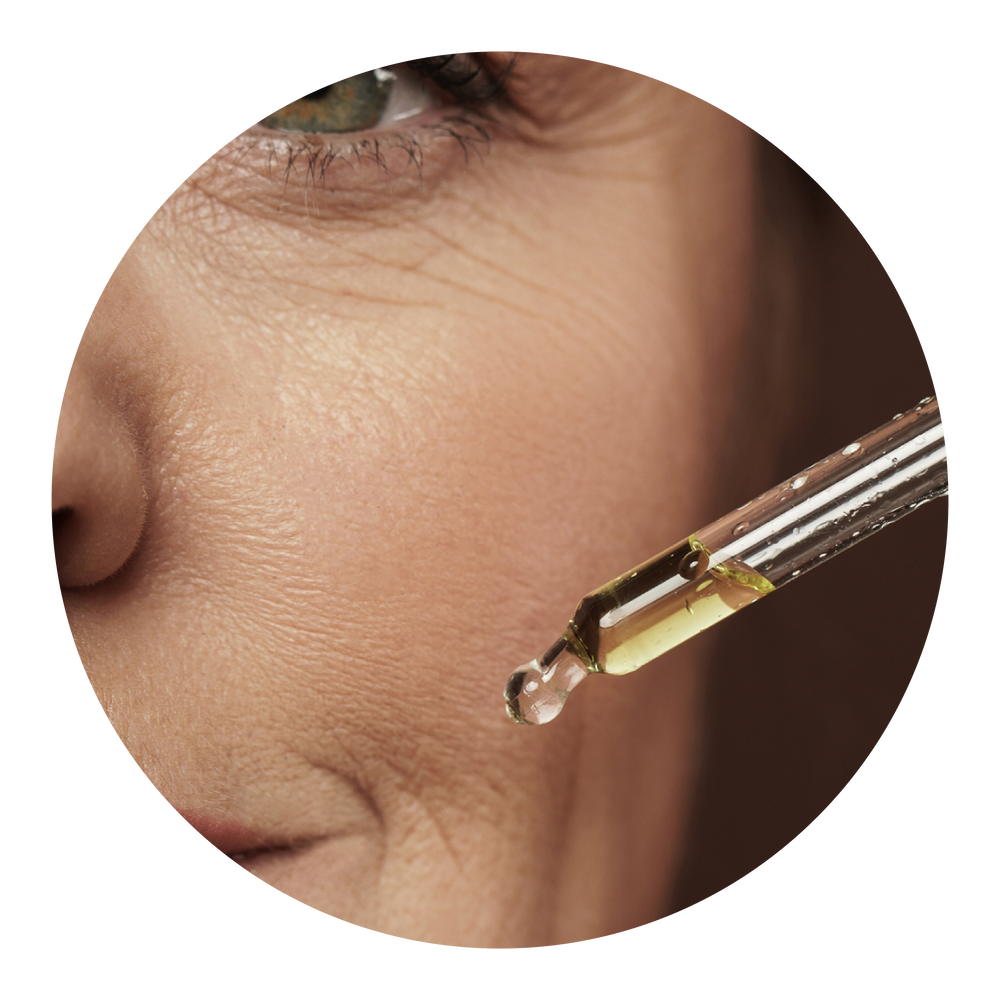
What's the Best Treatment for Sun-Damaged Skin on the Face?
It depends on your skin type and concern, which is why we always start with a consultation. Whatever treatment you choose, daily SPF50+ is non-negotiable, since new UV exposure can undo your results. Explore our sun damaged skin treatment range to get started.
Glow Safely This Summer, with Our RLC Sunscreen Range
A tan fades, but UV damage stays. By checking the UV index daily, wearing SPF50+ you love and caring for your skin after sun, you can enjoy summer and protect your skin for years to come. Not sure where to start? Book a skin consultation with our team and we'll build a routine around your skin.
FAQs
What is a High UV Index?
A UV index of 6–7 is high, 8–10 is very high and 11+ is extreme. In Australian summer, very high to extreme readings are common.
What is the Sunburn Index?
"Sunburn index" is another name for the UV index. It shows how quickly unprotected skin can burn, so the higher the number, the faster damage happens. Learn how to soothe skin after exposure in our sunburn index and after-sun guide.
Can You Get UV Damage On a Cloudy Day?
Yes. UV rays pass through cloud, and UV isn't linked to temperature. Track UV rays hourly with the SunSmart app rather than relying on how hot it feels.
What's the Best Cream for Sun-damaged Skin in Australia?
Look for antioxidants like vitamin C, gentle retinoids and deep hydration, paired with daily SPF50+. Browse our ageing skin collection, formulated for skin exposed to Australia's high UV radiation index.


